

By Michael Williams
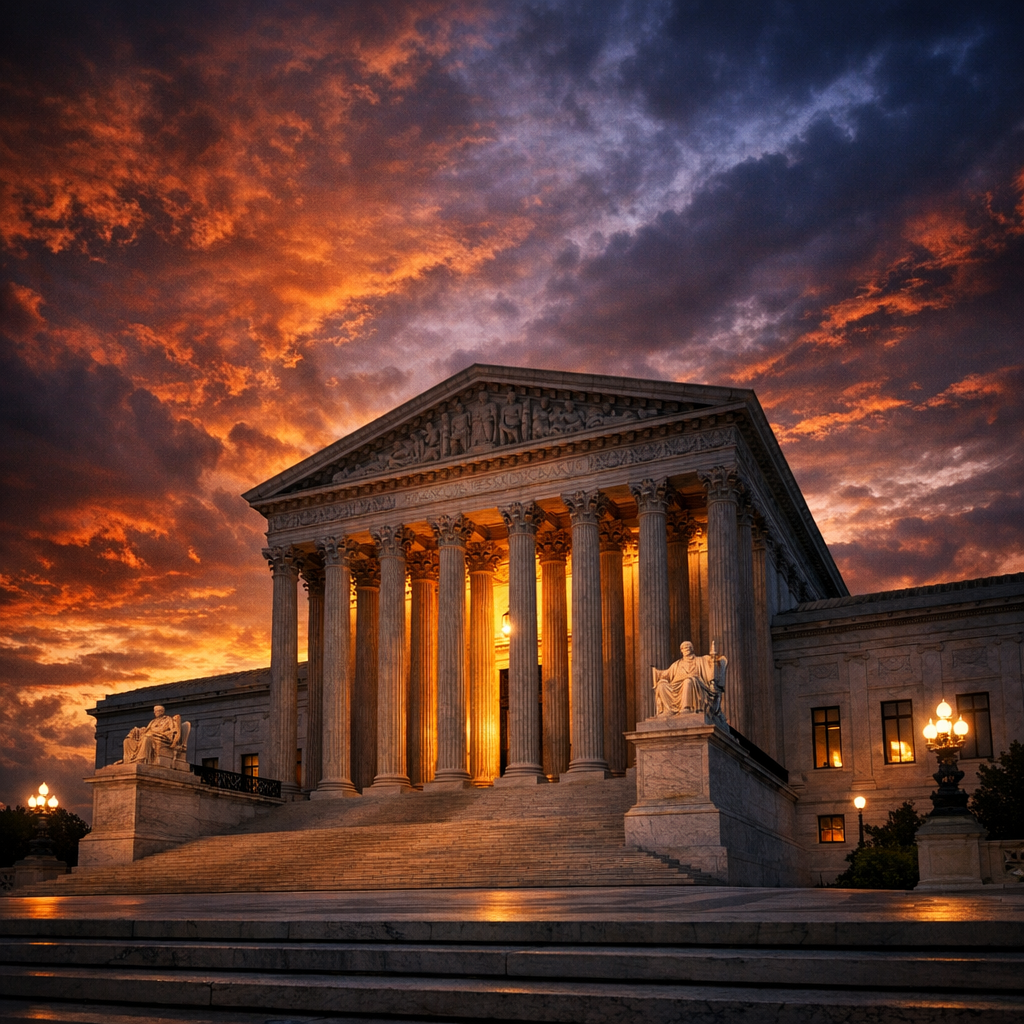
In recent months, the U.S. Supreme Court has handed down rulings that significantly shift power toward the presidency and the court itself, while narrowing the legislative reach of Congress. For Monument, Colorado, these developments may seem far from home—but they could affect everything from how laws are made to the protections your rights receive.
How power has shifted in Washington
The Court has issued decisions that limit Congress’s authority over certain areas and expand presidential power in others. Examples include cases on firing heads of independent agencies and presidential authority over agencies and regulatory power. This trend has raised concerns that Congress is becoming less of a check on executive branches.
Key rulings have also strengthened the Court’s own power—to shape laws and decide what federal statutes mean.
These rulings touch on fundamental issues for citizens: voting rights, party spending, administrative oversight, and more.
Major rulings you should know
Election law and campaign finance: The Court struck down limits on coordinated political spending, giving more freedom to political parties in their campaigning efforts. Another case upheld state policies allowing mail-in ballots sent by Election Day to be counted even if received later. These decisions may reshape how campaigns work across the country.
Birthright citizenship and immigration: One ruling upheld that children born in the U.S. are citizens regardless of parents’ legal status—striking down a presidential executive order attempting to restrict that status. Meanwhile, other cases and rulings have given the administration more leeway in immigration policy enforcement.
Transgender rights and state laws: Laws in many states prohibiting transgender girls and women from competing on female sports teams were upheld. These decisions affect Title IX interpretation and equal protection protections.
Why it matters for Monument and Colorado
While many Supreme Court decisions have a national reach, they affect everyday lives in our community in several ways:
- Legislation at the state level can be limited or shaped by federal rulings—meaning laws passed in Colorado might be challenged or influenced based on new constitutional interpretations.
- Voting rights and election rules could change. What counts as fair election maps, ballot deadlines, and campaign spending restrictions all may shift, affecting how we participate in democracy locally.
- Civil rights and liberties—especially around gender identity, immigration, and social protections—may be more vulnerable, depending on how national legal precedents are applied here.
- Executive and judicial actions become more central. With Congress’s limitations, decisions by governors, state courts, and even city officials may take on increased importance for local concerns.
What to watch going forward
Several major cases are still pending. Observers are closely following what the Court will decide about state laws on mail-in ballots, whether political party spending rules should be more restricted, and the power presidents have over agencies and regulations. These rulings will clarify just how far the Court will go in redefining federal and executive powers.
For citizens here, staying engaged—following local and state legislation, knowing your rights at the polls, and keeping an eye on court decisions—will matter more than ever. Monument may be far from Washington, but these shifts in power could come to your door sooner than you think.